![[Untitled], c. 1960-1965, Oil on board,](https://static-assets.artlogic.net/w_1500,h_864,c_limit/exhibit-e/5a3bb3fed9edde023b8b4568/5008bc7a29e1d7b02f9fe8cf07037dc0.jpeg)
![[Untitled], c. 1960-1965, Oil on panel,](https://static-assets.artlogic.net/w_1500,h_864,c_limit/exhibit-e/5a3bb3fed9edde023b8b4568/edb6457a07380355e42a4abdcfb115f1.jpeg)
![[Untitled], c. 1960-1965, Oil on paperboard,](https://static-assets.artlogic.net/w_1500,h_864,c_limit/exhibit-e/5a3bb3fed9edde023b8b4568/eb373e79af70cbeba7050da4d9557e03.jpeg)
![[Untitled], c. 1960-1965, Oil on panel,](https://static-assets.artlogic.net/w_1500,h_864,c_limit/exhibit-e/5a3bb3fed9edde023b8b4568/a9d1e0d0407a80a161c748c430f28440.jpeg)
![[Untitled], 1961, Oil on Upson board,](https://static-assets.artlogic.net/w_1500,h_864,c_limit/exhibit-e/5a3bb3fed9edde023b8b4568/df590dfcea0b5da82fa993f96b82a7b1.jpeg)
![[Untitled], c. 1960-1965, Oil on board,](https://static-assets.artlogic.net/w_1500,h_864,c_limit/exhibit-e/5a3bb3fed9edde023b8b4568/8ecd5f347a58386dbaf530aa73ac376d.jpeg)
![[Untitled], 1962, Oil on panel,](https://static-assets.artlogic.net/w_1500,h_864,c_limit/exhibit-e/5a3bb3fed9edde023b8b4568/45379cf6139542a9eca774a4efd0b1ec.jpeg)
![[Untitled], c. 1960-1965, Oil on cardboard,](https://static-assets.artlogic.net/w_1500,h_864,c_limit/exhibit-e/5a3bb3fed9edde023b8b4568/29c92288628ebe40daa150dfe95b17bb.jpeg)
![[Untitled], 1963, Oil on cardboard,](https://static-assets.artlogic.net/w_1500,h_864,c_limit/exhibit-e/5a3bb3fed9edde023b8b4568/92d20594032751b8922b3e95f904da53.jpeg)
![[Untitled], 1964, Oil on Upson board,](https://static-assets.artlogic.net/w_1500,h_864,c_limit/exhibit-e/5a3bb3fed9edde023b8b4568/d88d33ca7a9a78814c2ce090f2ad3c1a.jpeg)
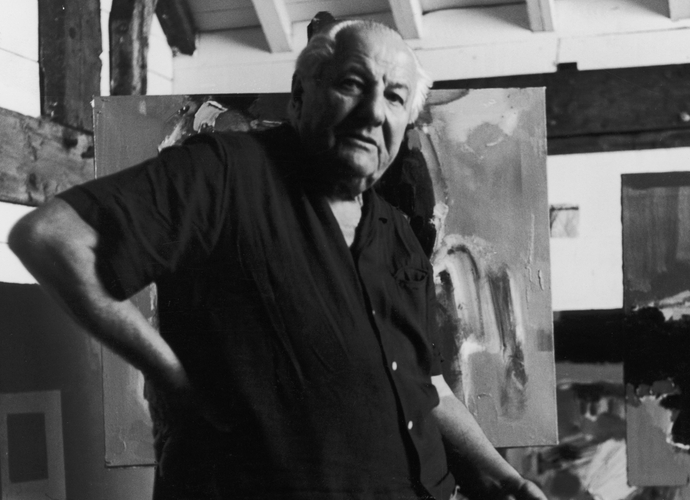
Hans Hofmann
New York, NY: Miles McEnery Gallery,
“Hans Hofmann,” 2 April - 9 May 2026.
New York, NY: Miles McEnery Gallery,
“Hans Hofmann,” 2 April - 9 May 2026.
New York, NY: Miles McEnery Gallery,
“Hans Hofmann,” 2 April - 9 May 2026.
New York, NY: Miles McEnery Gallery,
“Hans Hofmann,” 2 April - 9 May 2026.
New York, NY: Miles McEnery Gallery,
“Hans Hofmann,” 2 April - 9 May 2026.
New York, NY: Miles McEnery Gallery,
“Hans Hofmann,” 2 April - 9 May 2026.
New York, NY: Miles McEnery Gallery,
“Hans Hofmann,” 2 April - 9 May 2026.
New York, NY: Miles McEnery Gallery,
“Hans Hofmann,” 2 April - 9 May 2026.
New York, NY: Miles McEnery Gallery,
“Hans Hofmann,” 2 April - 9 May 2026.
New York, NY: Miles McEnery Gallery,
“Hans Hofmann,” 2 April - 9 May 2026.
Submerged, 1940, Oil on panel,
7 3/4 x 9 3/4 inches, 19.7 x 24.8 cm, MMG#31900
Verde Chiaro (Light Green), 1949, Oil on board,
15 x 22 inches, 38.1 x 55.9 cm, MMG#31884
Night, 1952, Oil on panel,
8 x 9 1/2 inches, 20.3 x 24.1 cm, MMG#1440
Shimmering Red, 1952, Oil on panel,
7 1/2 x 9 3/4 inches, 19.1 x 24.8 cm, MMG#1909
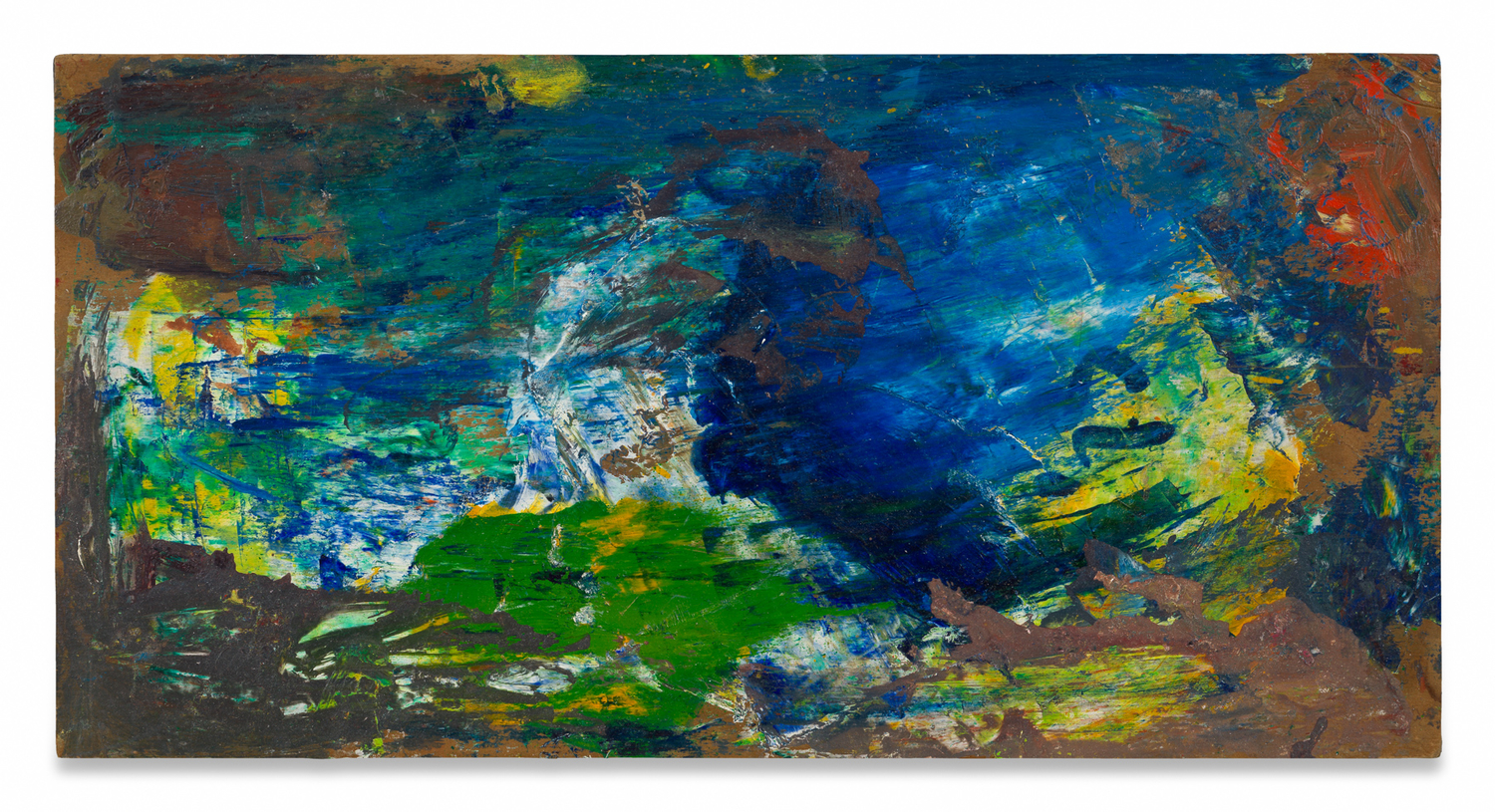
The Bay, 1952, Oil on board,
9 x 17 3/4 inches, 22.9 x 45.1 cm, MMG#31893
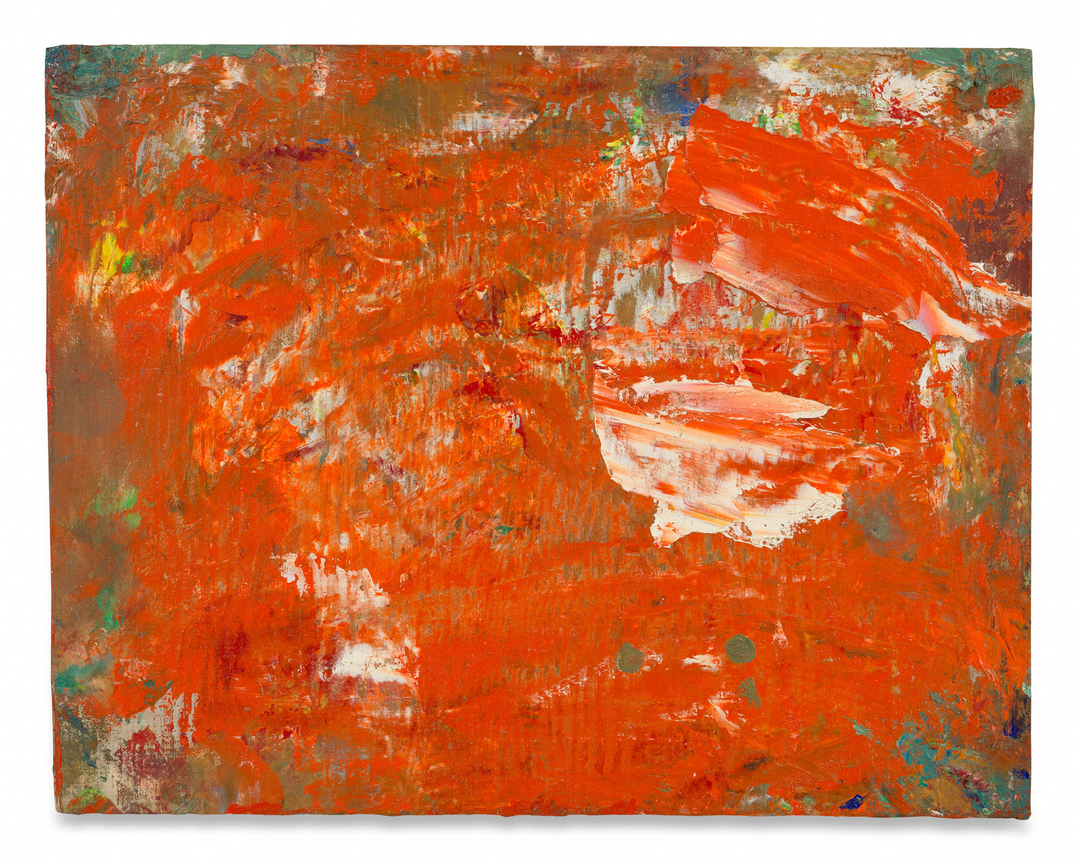
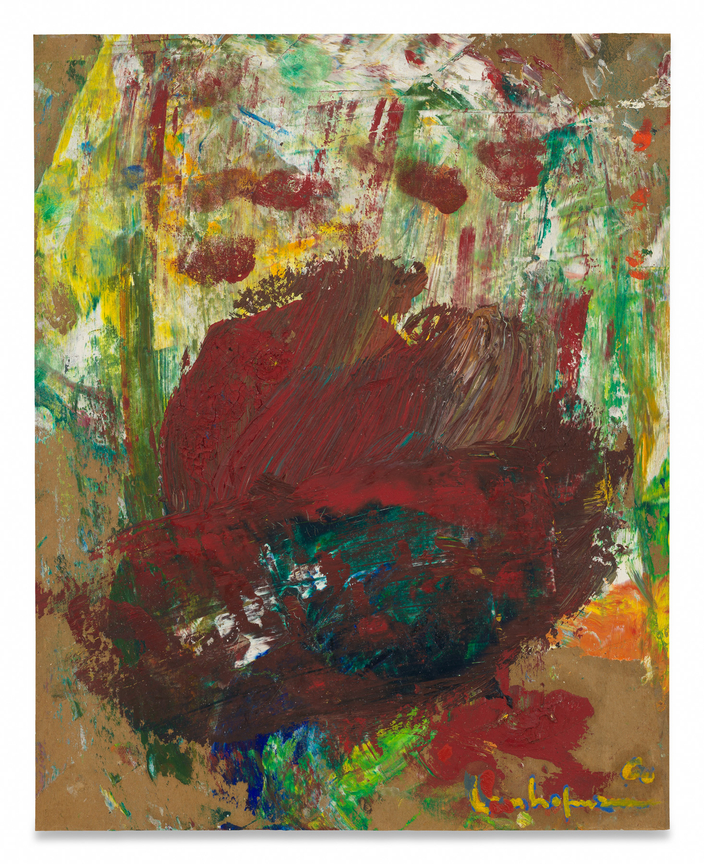
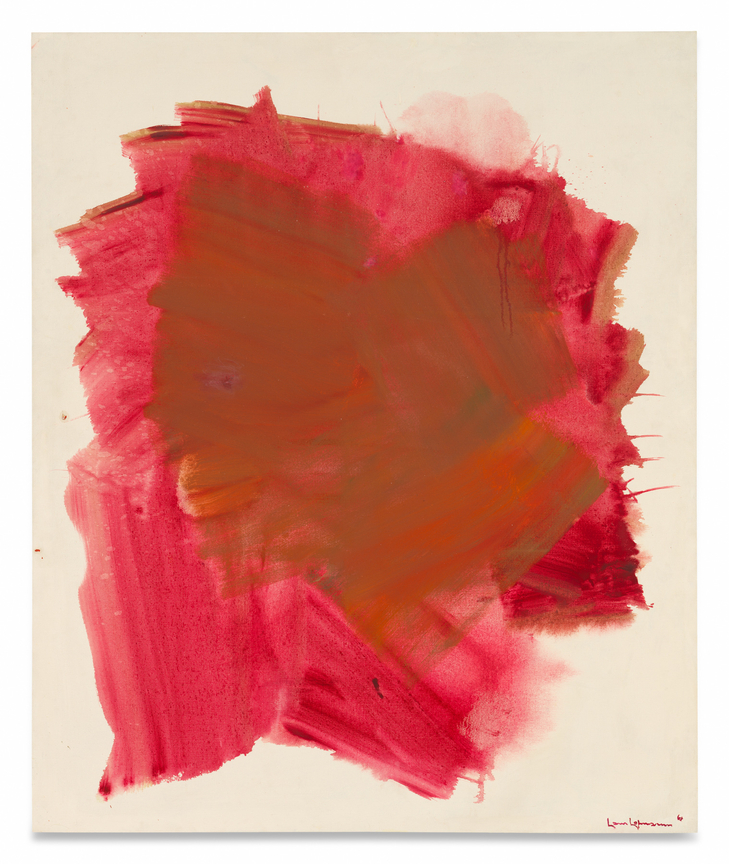
[Untitled], c. 1960-1965, Oil on board,
23 1/4 x 18 1/4 inches, 59.1 x 46.4 cm, MMG#31889
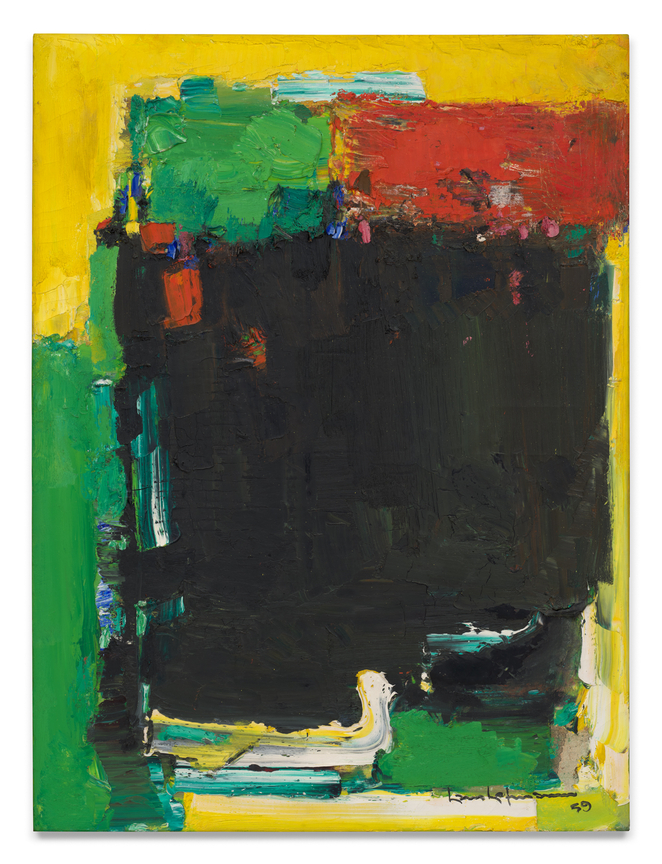
Blissful Darkness, 1959, Oil on canvas,
48 x 36 inches, 121.9 x 91.4 cm, MMG#28342
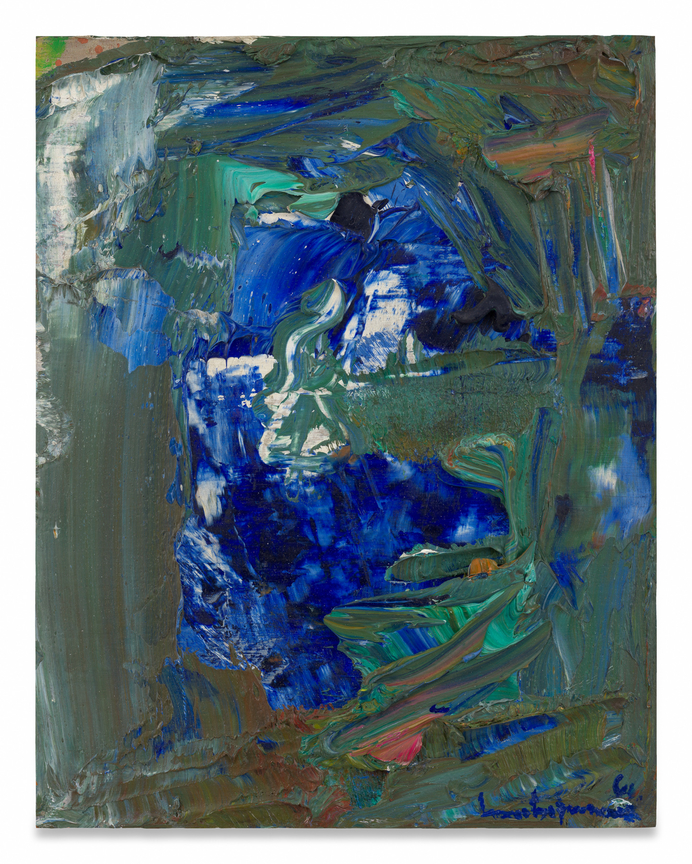
Blue Mountains, 1960, Oil on panel,
10 x 8 inches, 25.4 x 20.3 cm, MMG#31930
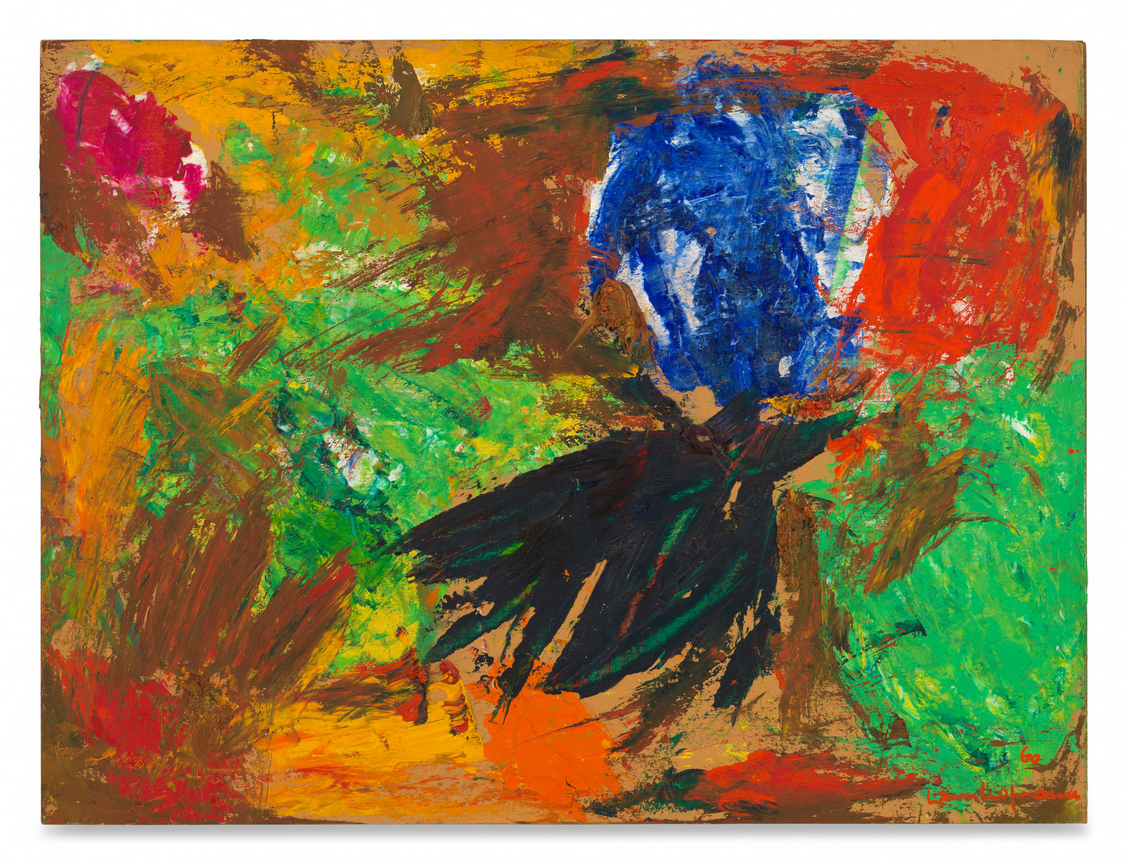
Dead Crow, 1960, Oil on Upson board,
24 x 32 inches, 61 x 81.3 cm, MMG#1854
Fall, 1960, Oil on cardboard,
11 x 9 inches, 27.9 x 22.9, MMG#1873
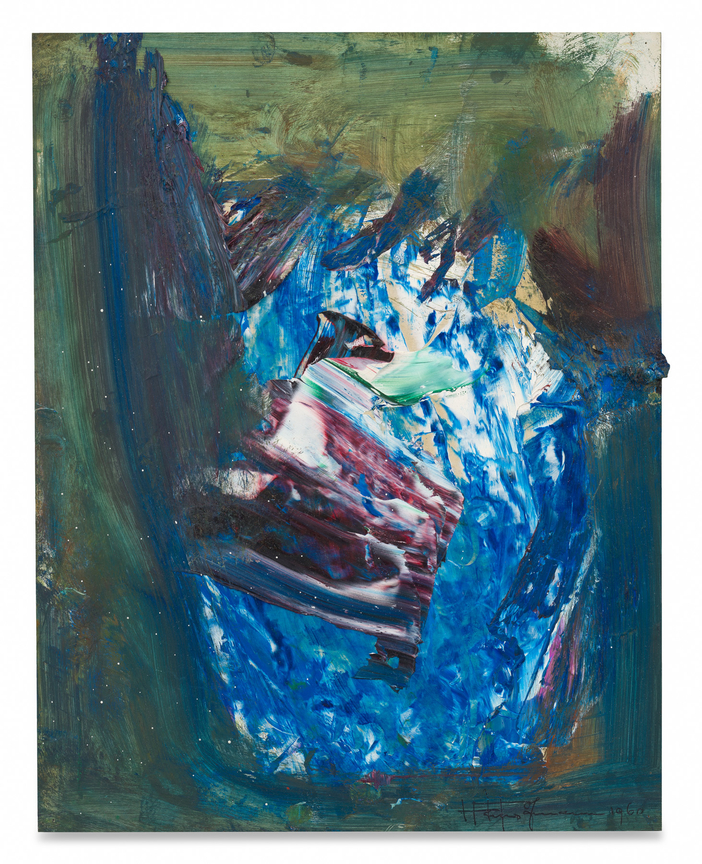
Stormy Blue, 1960, Oil on board,
14 x 11 inches, 35.6 x 27.9 cm, MMG#31885
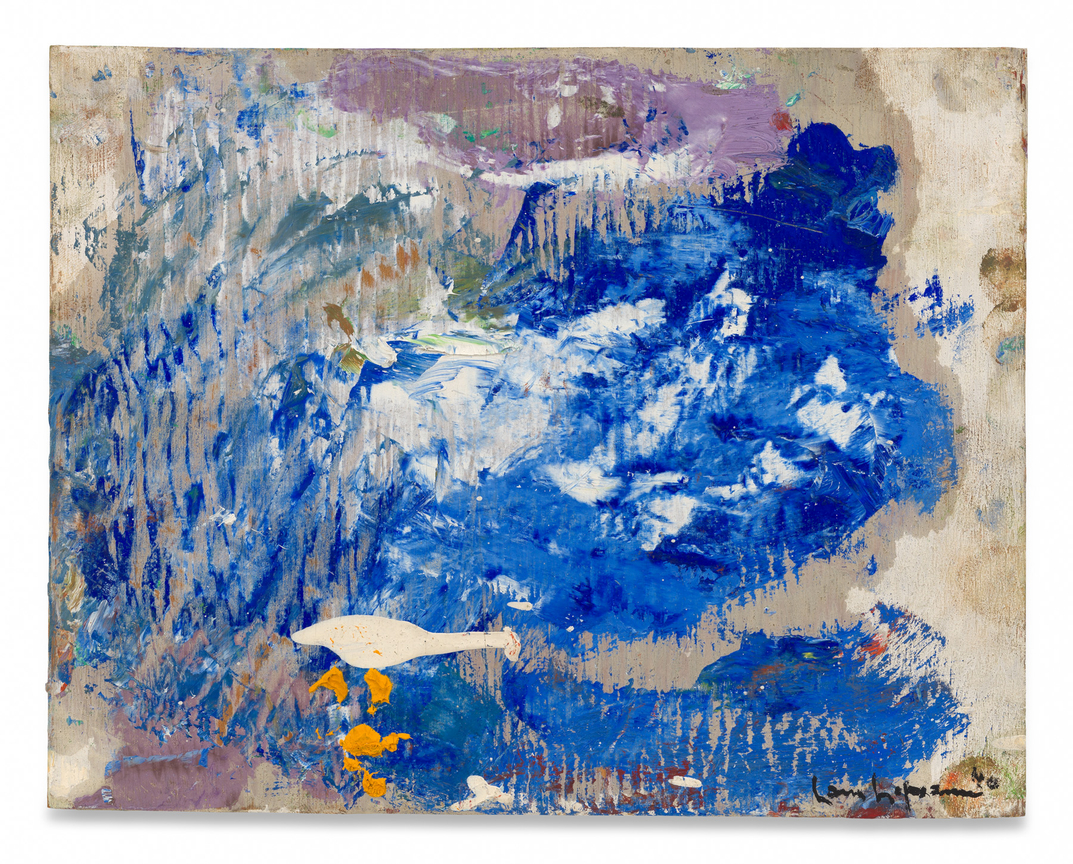
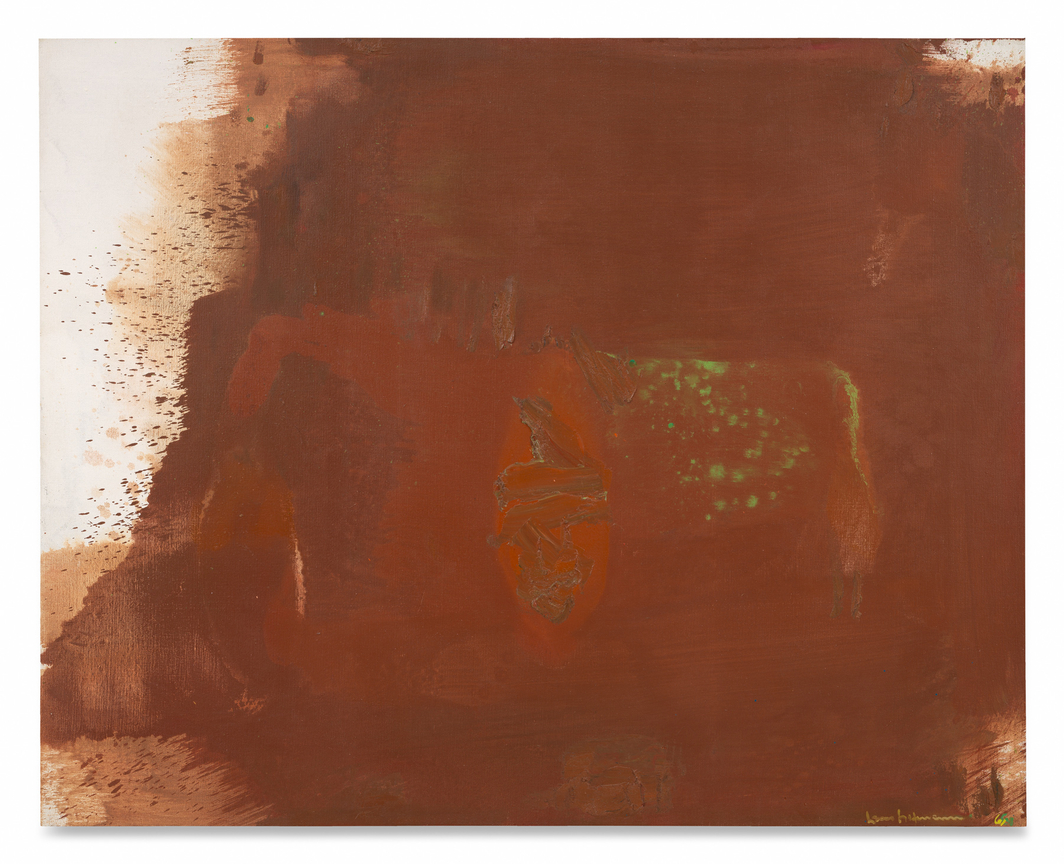
[Untitled], c. 1960-1965, Oil on panel,
4 7/8 x 16 3/4 inches, 12.4 x 42.5 cm, MMG#33068
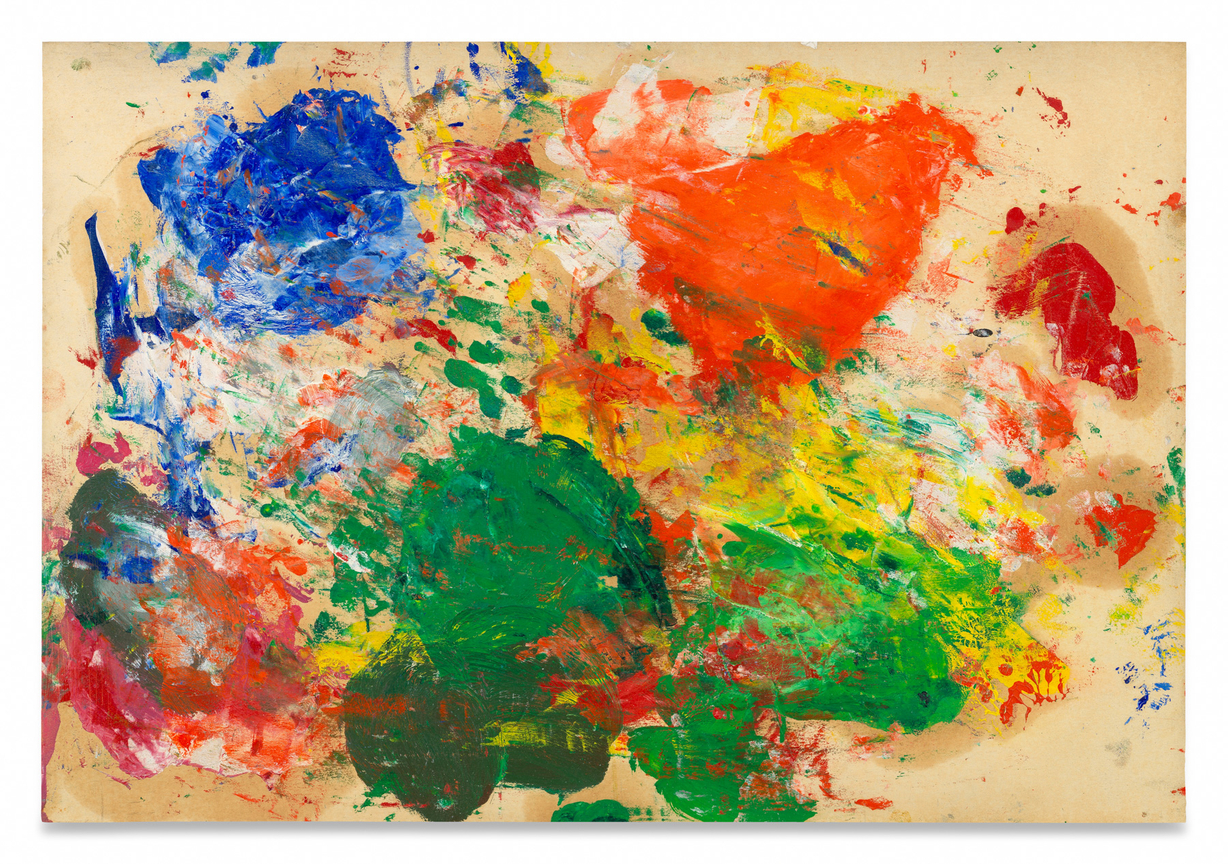
[Untitled], c. 1960-1965, Oil on paperboard,
6 x 40 inches, 15.2 x 101.6 cm, MMG#33069
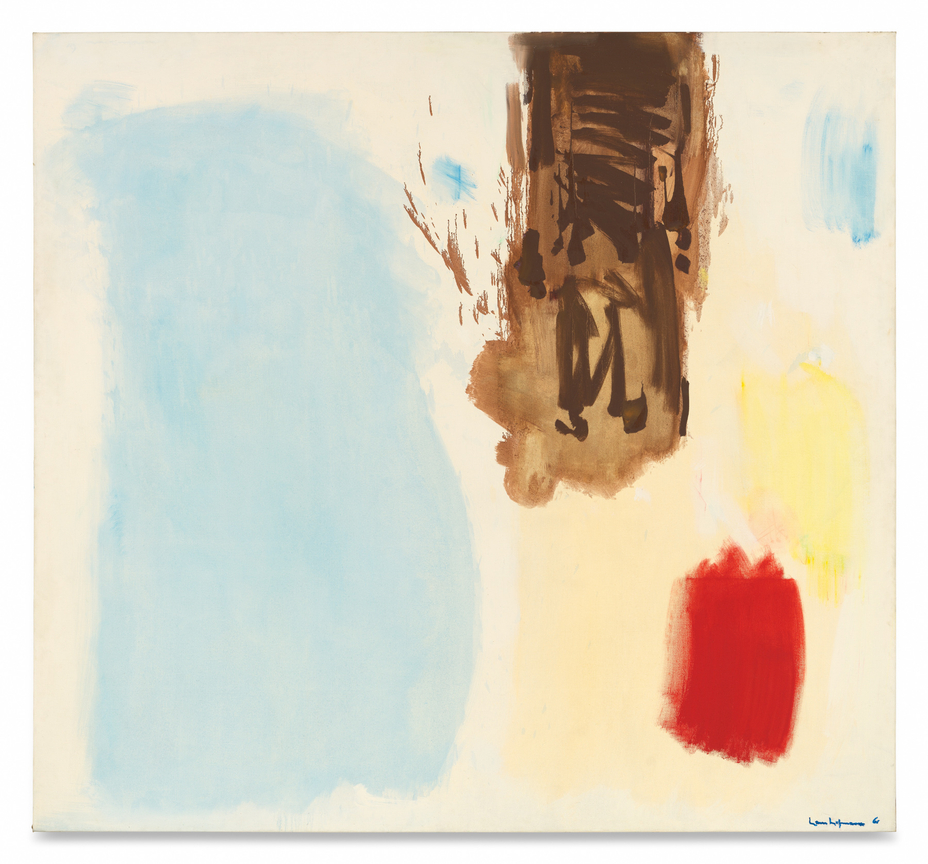
Floating Mirage, 1961, Oil on canvas,
78 x 84 inches, 198.1 x 213.4 cm, MMG#2443
Grief, 1961, Oil on canvas,
72 x 60 inches, 182.9 x 152.4 cm, MMG#1197
Pénombres du Soir, 1961, Oil on canvas,
48 x 60 inches, 121.9 x 152.4 cm, MMG#2367
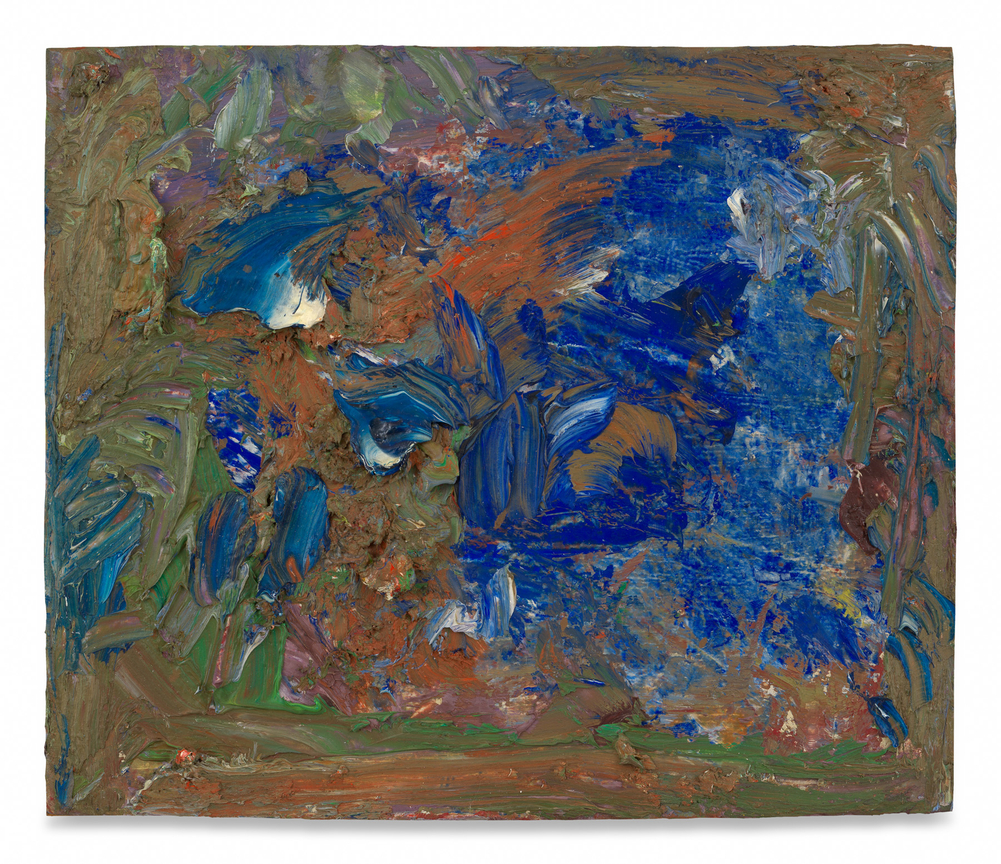
[Untitled], c. 1960-1965, Oil on panel,
13 3/4 x 6 inches, 34.9 x 15.2 cm, MMG#2000
[Untitled], 1961, Oil on Upson board,
32 3/8 x 9 5/8 inches, 82.2 x 24.5 cm, MMG#33070
Mirage, 1962, Oil on canvas,
60 x 52 inches, 152.4 x 132.1 cm, 11277
The Prophet, 1962, Oil on canvas,
60 x 52 inches, 152.4 x 132.1 cm, MMG#14143
[Untitled], c. 1960-1965, Oil on board,
8 3/4 x 24 1/2 inches, 22.2 x 62.2 cm, MMG#8215
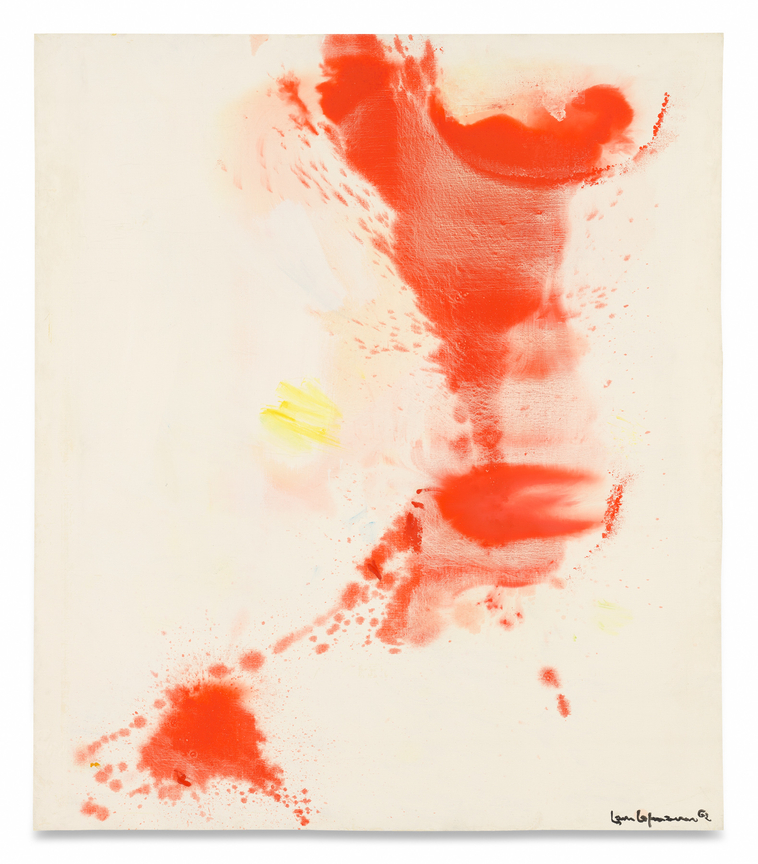
[Untitled], 1962, Oil on panel,
5 3/4 x 23 3/4 inches, 14.6 x 60.3 cm, MMG#1641
[Untitled], c. 1960-1965, Oil on cardboard,
9 5/8 x 8 1/8 inches, 24.4 x 20.5 cm, MMG#1921
[Untitled], 1963, Oil on cardboard,
10 1/2 x 8 inches, 26.7 x 20.5 cm, MMG#1400
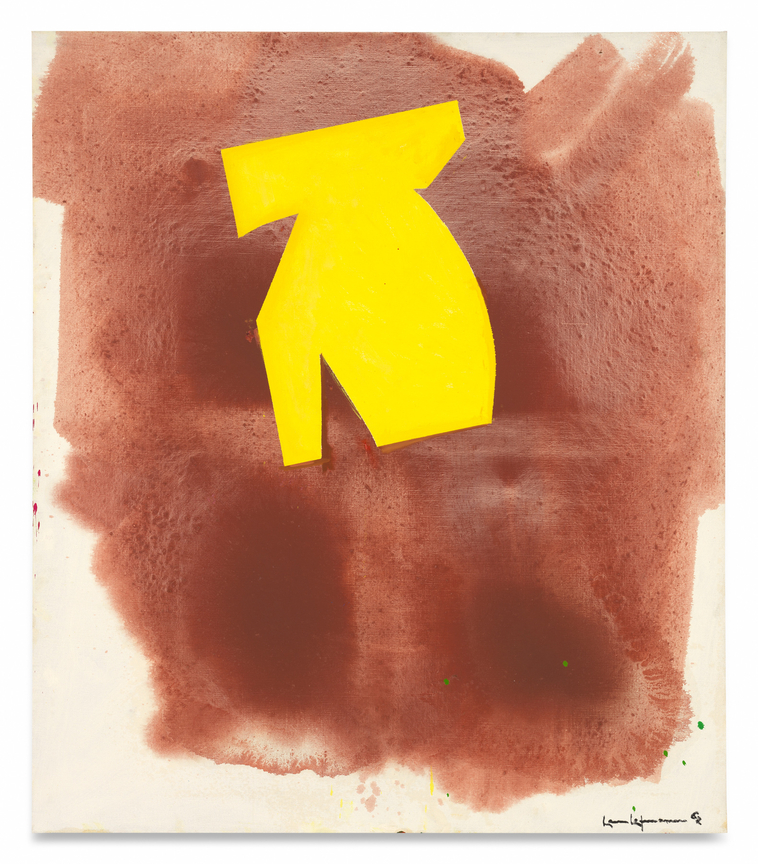
[Untitled], 1964, Oil on Upson board,
31 3/4 x 23 7/8 inches, 80.6 x 60.5 cm, MMG#31886
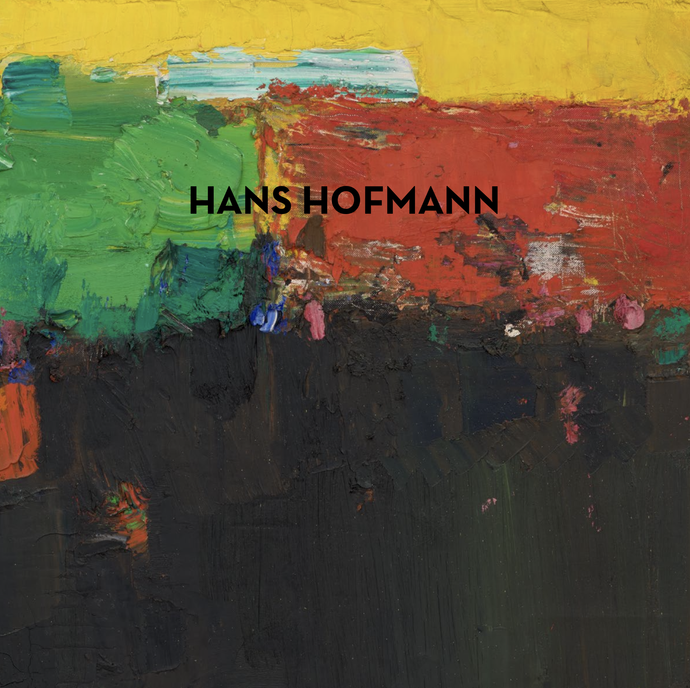
Miles McEnery Gallery is pleased to announce an exhibition of paintings by Hans Hofmann on view 2 April through 9 May 2026 at 520 West 21st Street. The exhibition is accompanied by a fully illustrated publication featuring an essay by Michèle Wije. The opening reception will take place on Thursday, 9 April, from 6:00 - 8:00 PM at 520 West 21st Street.
Hans Hofmann is a central figure of twentieth-century abstraction, his legacy shaped as profoundly by his pedagogical influence as by his vibrant canvases. This exhibition surveys a range of both intimate and major canvases, offering insight into the breadth of his formal experimentation.
The selection of paintings on view reveal Hofmann’s painterly energy as both constructed and intuitive. His practice negotiates a dynamic interplay between lived experience and imaginative invention. Hofmann himself emphasized the primacy of intuition in this process, asserting that “a picture should be made with feeling, not with knowing.”
Wije further situates Hofmann’s work within an experiential framework, observing “We do not just see these paintings; we experience them. They represent direct spiritual and emotional communication from artist to viewer through form and color.”
The Renate, Hans and Maria Hofmann Trust is exclusively represented by Miles McEnery Gallery.
Hans Hofmann was born in Weissenburg, Germany in 1880. He began his education in Munich and later moved to Paris in 1904. There, Hofmann frequented the Café du Dome where he met the many artists, dealers, and intellectuals who gathered there. In 1914, the outbreak of World War I prevented Hofmann from returning to Paris, and in 1915 he opened his own art school in Munich, which quickly garnered an international reputation of excellence. In 1930, Hofmann traveled to the United States, and from 1930 to 1932 he was invited to teach at the University of California, Berkeley, and at the Chouinard School of Art in Los Angeles.
In 1932, Hofmann moved to New York. He taught a drawing class at the Art Students League and in 1933—shortly after closing his school in Munich—he opened the Hans Hofmann School of Fine Arts in New York. In 1935, Hofmann’s School additionally began to hold summer classes in Provincetown, Massachusetts. Hofmann became well known not only as an important artist of the time but also as an admired teacher—Helen Frankenthaler, Allan Kaprow, Lee Krasner, Louise Nevelson, Joan Mitchell, and Wolf Kahn were amongst his students. 1944 was a significant year for Hofmann as he was featured in four group exhibitions and notably had his first solo exhibition in New York at Peggy Guggenheim’s renowned Art of This Century Gallery.
During his lifetime, Hofmann’s work was the subject of exhibitions at the California Palace of the Legion of Honor in San Francisco (1931); University of California Berkeley’s Haviland Hall (1931); the Art of This Century Gallery, New York, NY (1944); the Addison Gallery of American Art, Andover, Massachusetts (1948); The Whitney Museum of American Art (1957); La Biennale di Venezia (1960); and The Museum of Modern Art (1963).
Hofmann’s work is in many permanent collections including The Museum of Modern Art, New York, NY; The Metropolitan Museum of Art, New York, NY; National Gallery of Art, Washington, D.C.; Solomon R. Guggenheim Museum, New York, NY; Whitney Museum of American Art, New York, NY; Musée de Grenoble, Grenoble, France; National Gallery of Australia, Canberra, Australia; Museum Ludwig, Cologne, Germany; Tel Aviv Museum of Art, Tel Aviv, Israel; and the Städtische Galerie im Lenbachhaus, Munich, Germany.
Hofmann died in 1966 in New York at the age of 85.